What Actually Happens During ABA Therapy?
During an applied behavior analysis (ABA) session, you might see a child building a tower, practicing handwashing, asking for a snack, or completing a short activity with a therapist. These activities look simple, but they provide opportunities to teach specific, meaningful skills. Every session reflects an individualized treatment plan. The examples below illustrate possible activities, rather than a fixed schedule every child follows.
Personalized assessment & goals for each child
A Board Certified Behavior Analyst (BCBA) works with your child and your family to assess specific needs and goals for treatment. For example, a family might identify getting dressed as a difficult part of the morning. A useful goal might be completing specific dressing steps with less assistance, more and more over time. Treatment should reflect the child & families needs, preferences, and everyday circumstances. (bacb.com)
Building a trusting child-therapist relationship
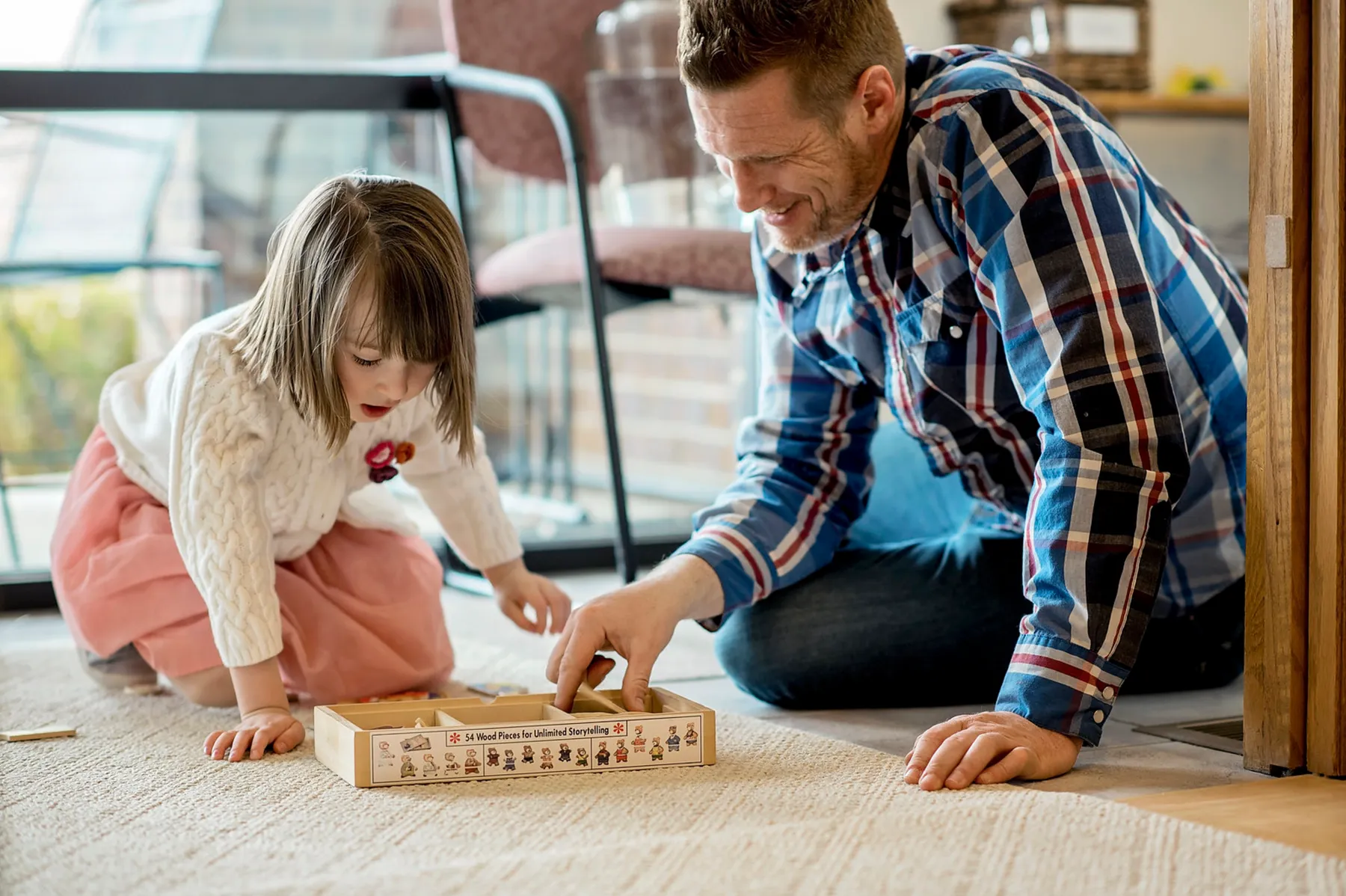
At the beginning of a session, a therapist may join an activity the child already enjoys. This is an opportunity to learn what the child enjoys, how they communicate, and build a connection between the child and therapist.
Teaching through play
This is often called naturalistic teaching. For example, while playing with a wind-up toy, a child might practice asking for help with words. The therapist helps the child activate the toy, while teaching them how to do it themselves. The research discussed below describes approaches that combine behavioral coaching with developmental principles. (link.springer.com)
Practicing skills
The therapist presents an instruction or material, the child responds, and the therapist provides feedback or support before the next opportunity. For example, the therapist might present several pictures and ask the child to identify a familiar object. Activities and difficulty should reflect the child’s current learning needs.
Increasing independence
This might include showing a picture, pointing, or demonstrating an action. The child is supported by the therapist in skill building tasks. Over time, the therapist encourages the child to be more and more independent with day to day activities, increasing the child's sense of independence, comfort and confidence. For example, when teaching handwashing, the therapist might initially point to a visual showing the next step. Later, the child may check the visual independently, until the activity becomes automatic.
Reinforcing positive behaviors
A natural example is encouraging a child to ask for help with words and rewarding them with praise and encouragement when done successfully. If that experience increases verbal communication for help, the assistance has reinforced the productive behavior.
Understanding and reducing negative behaviors
For example, consider a child who pushes materials away during a task. Useful questions include: Was the task unfamiliar? How much help was available? What happened immediately afterward? Observations help guide assessment; one incident does not establish why a behavior occurs. The treatment team uses assessment findings to select appropriate supports and skills to teach.
Respecting participation
Assent refers to indications that a person is willing to participate, which may be communicated verbally or nonverbally. It is distinct from a parent or guardian’s informed consent. Families can ask how the team recognizes willingness, responds to withdrawal, and adjusts activities when a child shows distress. Ethical practice includes protecting dignity, involving clients in decisions, and obtaining assent when applicable. (bacb.com)
Checking whether skills carry over
Generalization means using a skill beyond the exact situation in which it was taught. A child who requests help from one therapist may still need support requesting it from a caregiver or teacher. Teams may practice across different activities, people, and settings. Caregiver involvement can help connect treatment goals to family routines.
How this connects to research
Schreibman and colleagues’ 2015 paper describes Naturalistic Developmental Behavioral Interventions (NDBIs), which integrate ABA principles with knowledge about how children develop and learn. These approaches use play, social interactions, and everyday routines as opportunities for systematic teaching. Within this framework, the child’s interests help shape the activity, while individualized goals guide instruction. The therapist identifies a target skill, creates opportunities for the child to respond, provides assistance when needed, and monitors progress. This helps explain how a playful interaction can have a specific clinical purpose. For example, a child rolling cars down a ramp might practice requesting help. If the car becomes stuck, the therapist could model an accessible way to ask for assistance and then help release it. This hypothetical example illustrates how a communication goal can be embedded within an activity the child enjoys. The example also illustrates natural reinforcement: the outcome directly relates to the child’s communication. Asking for help results in receiving help and continuing the activity. If this consequence increases future help-seeking, it functions as reinforcement. The paper also describes shared control between the child and therapist. The therapist arranges learning opportunities while responding to the child’s interests and initiatives. Clinical structure and child participation work together to shape the interaction. For families, a useful question is: “What makes this activity therapeutic for my child?” The answer should connect what the therapist is doing to a meaningful goal, explain how the child’s participation guides teaching, and describe how progress is evaluated. This can help parents understand the purpose behind session activities and discuss how emerging skills might support daily life. Featured research article Schreibman, L., et al. (2015). Naturalistic Developmental Behavioral Interventions: Empirically Validated Treatments for Autism Spectrum Disorder. Journal of Autism and Developmental Disorders, 45, 2411–2428. Read the full research article for free.